Odoo 20 is not just an upgrade; it signals a strategic pivot in ERP adoption, especially within the Arab region. This narrative uncovers how AI integration and localized features disrupt conventional sales behaviors and customer expectations, reshaping how enterprises engage with ERP systems in Arabic-speaking markets.
Localized ERP Demand in the Arab Market
ERP systems are witnessing rising demand in the Arab region driven by increasing digital transformation initiatives tailored for local business practices and cultural context. This surge emerges from businesses previously underserved by generic, Western-centric ERP solutions. The demand underscores a shift in customer expectations toward solutions that speak their language, both literally and figuratively, signaling a deeper need for cultural resonance in software adoption.
Evolving Customer Expectations Around Usability
Arab users of ERP systems now prioritize intuitive usability and seamless workflows more than ever. This trend reflects a larger global preference for software that minimizes complexity and speeds onboarding. As enterprises grow accustomed to consumer-grade digital experiences, ERP usability becomes a critical competitive factor. Customers expect ERP platforms to anticipate their needs, not just function as tools, altering the psychology around software investment.
AI Connect as a New Engagement Vector
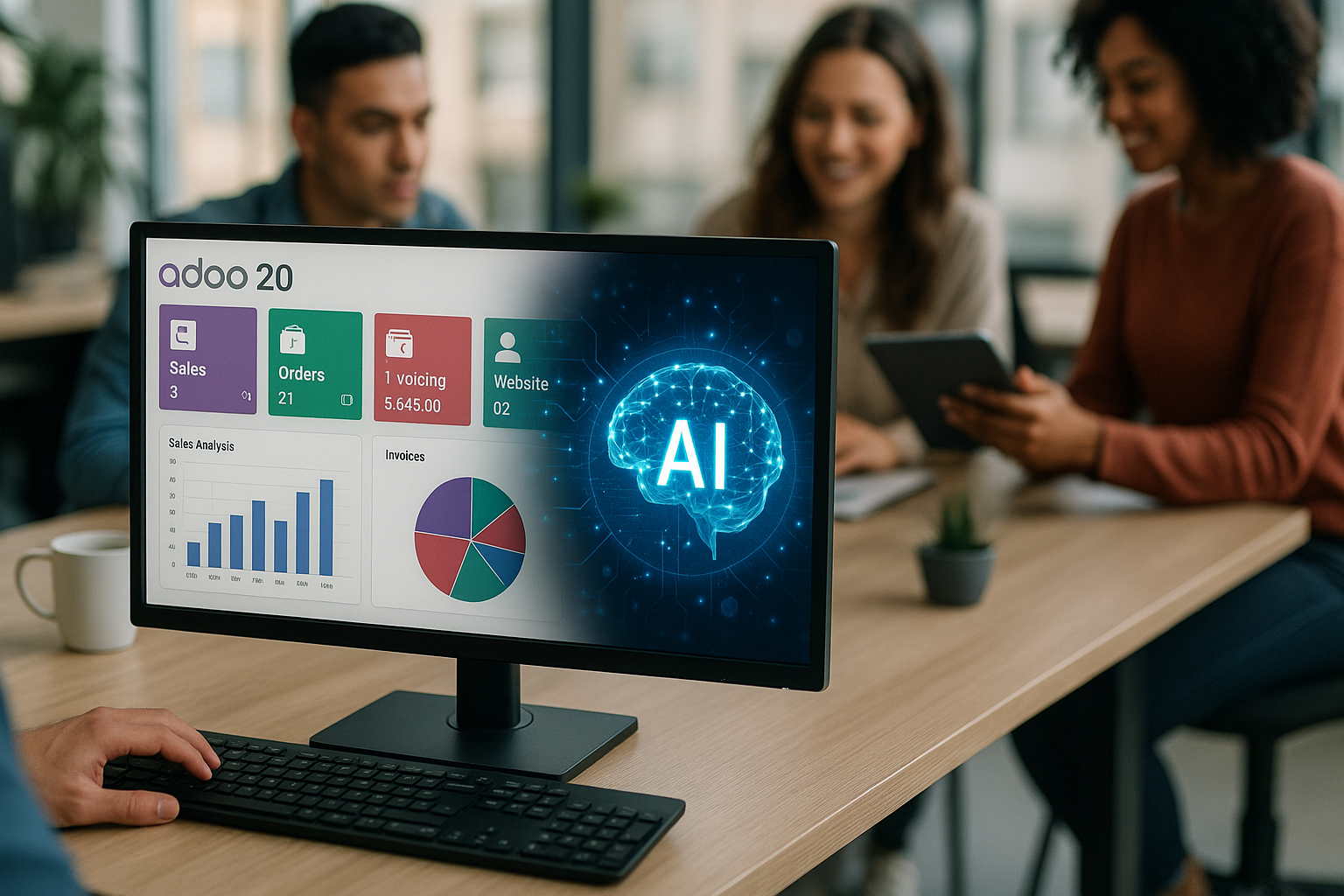
Odoo 20’s AI Connect enters not as a mere feature but as a foundational engagement layer enabling conversational AI and intelligent automation throughout the ERP. This shift transforms system interaction from transactional to relational, meeting customers on their terms. The timing coincides with broader AI maturity, enabling real-time assistance, predictive insights, and proactive operational support, which align with shifting buyer behavior towards demand for immediacy and relevance.
Shift From Product to Experience-Centric Sales
Traditional ERP sales models focused on feature lists and ROI projections are increasingly ineffective. Buyers—especially in the Arab market—demand experiential validation: demonstrations of how systems improve day-to-day operations and relieve cognitive load. This trend pushes sales teams to become trusted advisors, emphasizing personalized onboarding and continuous value delivery over one-time transactions, redefining sales psychology in ERP.
Integration of Arabic Language and Cultural Nuances
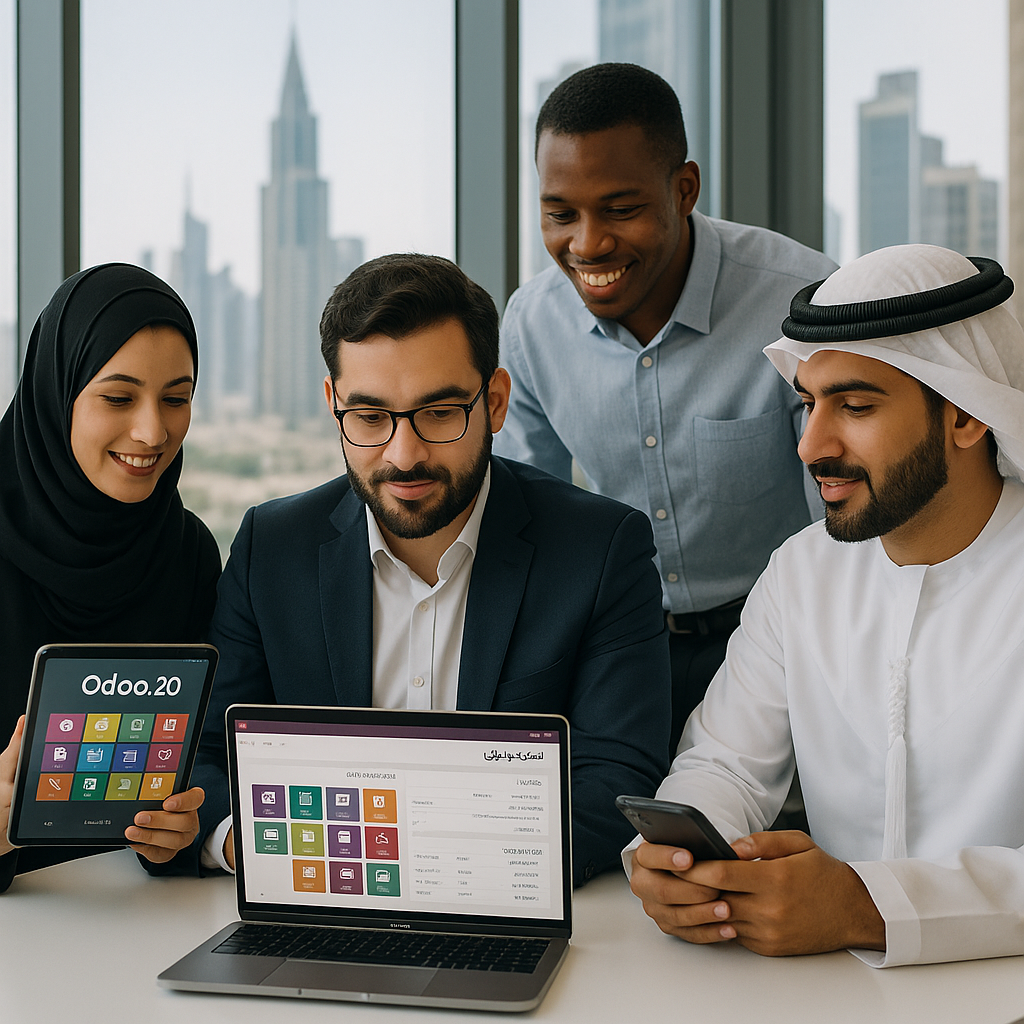
The integration of full Arabic language support and localization in Odoo 20 addresses crucial barriers that once limited ERP adoption in the region. Beyond language, cultural nuances embedded in workflows and documentation enhance relevance and adoption rates. This approach reveals that mere translation is insufficient; cultural fit represents an emerging customer expectation that drives deeper ERP engagement and loyalty.
Behavioral Shift Toward Autonomous System Interaction
With AI Connect and improved UI/UX, users in Arab markets exhibit a growing preference for autonomous system interaction, reducing dependency on human intermediaries. This behavioral change indicates a trust shift where users expect ERP systems to be proactive agents rather than passive repositories of data. Sales strategies must adapt to highlight these autonomous capabilities as key benefits, signaling a deeper market transformation in use patterns.
The Decline of Traditional ERP Sales Channels
LinkedIn and community conversations reveal a decline in the effectiveness of conventional ERP sales channels such as cold outreach and static demos. Buyers increasingly research ERP systems via peer networks, AI-driven insights, and trial experiences before engaging sales teams. The erosion of traditional sales touchpoints challenges sales leaders to innovate engagement models that prioritize digital self-discovery and AI-facilitated decision support.
Strategic Implication for Sales Teams in the Arab Market
Sales teams must realign with culturally specific engagement tactics and leverage AI-driven tools to personalize outreach. Understanding the localized decision-making processes and aligning messaging to operational pain points improves resonance. Training must evolve to equip reps with skills in consultative selling that focuses on experience and outcomes rather than features, positioning the sales function as a strategic partner in digital transformation journeys.
AI Connect as a Bridge to Future ERP Features
The AI Connect platform introduced in Odoo 20 sets the foundation for future ERP innovations, opening paths for continuous learning systems, adaptive workflows, and deeper integration of AI insights into business processes. This forward-looking capability reflects a market shift where AI is embedded into core ERP, not an add-on, helping sales leaders frame Odoo 20 as a platform that evolves with customer needs and technological advances.
Narrative Bridge to AI Connect and Arab Usage of Odoo
The convergence of AI Connect and localized Arabic adaptations in Odoo 20 demonstrates how ERP solutions must evolve beyond technology to cultural and behavioral relevance. This dual focus reshapes market expectations and sales psychology, compelling leaders to rethink the problem CRM or ERP solves for Arab users—not merely efficiency but intelligent engagement that respects language, culture, and autonomy.
Conclusions
The evolution of Odoo 20 highlights a broader market shift towards culturally aligned, AI-engaged ERP solutions in the Arab world. Traditional sales approaches falter as customers demand usability, context, and intelligent engagement, making it essential for sales leaders to rethink strategies aligned with these new behavioral norms.