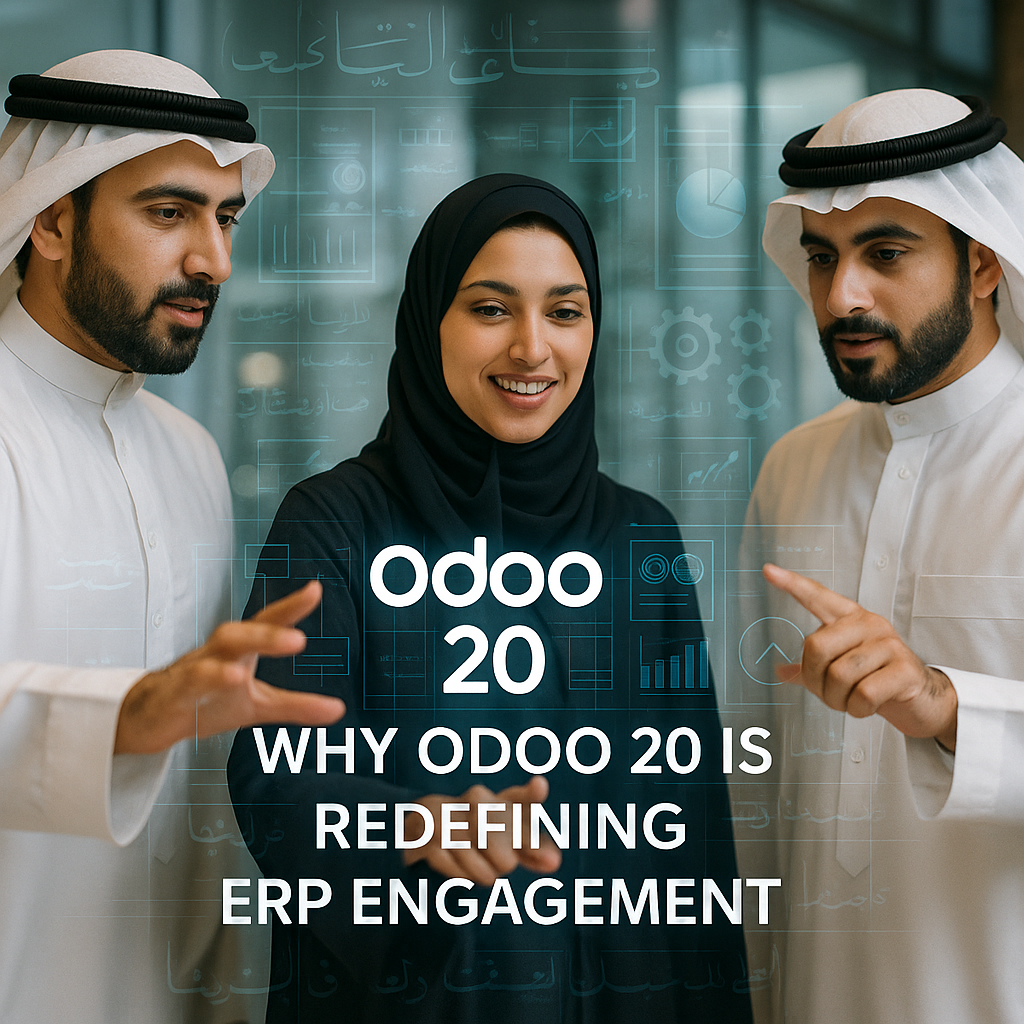
The launch of Odoo 20 marks more than just an upgrade—it triggers a fundamental shift in how enterprise resource planning (ERP) systems are adopted and used, especially in non-Western markets like the Arab region. Amid evolving customer expectations and a changing sales psychology, traditional ERP engagement models are losing their effectiveness. This narrative explores the hidden market forces reshaping enterprise software adoption today.
Localized ERP Demand in the Arab Market
The Arab region is experiencing accelerating demand for ERP systems tailored to local languages and business practices. As companies grow digitally native, they require platforms like Odoo 20 to support Arabic language interfaces, cultural workflows, and region-specific regulations. This trend emerges from both the demographic boom of young entrepreneurs and increased government digital transformation pushes, signaling a shift from generic to localized ERP solutions.
Evolving Customer Expectations Around Usability
Customers today demand ERP platforms that are not only functional but intuitive and adaptive to their context. Odoo 20’s enhancements in UI/UX reflect a deeper market realization: buyers expect systems that simplify complexity rather than add layers of technical burden. This shift points to a sales psychology where ease of use and cultural familiarity heavily influence buying decisions in enterprise software.
AI Connect as a New Engagement Vector
The integration of AI Connect in Odoo 20 introduces a paradigm where AI is not a standalone feature but a connective tissue enhancing user workflows. This AI-driven interactivity resonates with buyers who now expect smart, anticipatory systems that reduce manual input and provide proactive insights. This expectation shift reduces interest in ERP solutions treated purely as tools and elevates demand for intelligent platforms.
Shift From Features to Behavioral Impact
The sales narrative around ERP is pivoting from emphasizing feature lists to demonstrating behavioral change impact. Buyers want proof that adopting Odoo 20 will transform team dynamics, decision-making speed, and operational fluidity. This reflects a deeper understanding among customers that software purchase decisions are ultimately about improving human and organizational behavior, not just technology adoption.
Cultural Resonance as a Differentiator
Odoo 20’s success in Arab markets will depend heavily on its ability to resonate culturally. This means embracing not only language but business customs, communication styles, and regional economic realities. Sales leaders must reframe ERP adoption as a culturally grounded transformation rather than a technical upgrade, signaling a narrative shift that traditional sales pitches often overlook.
Emerging Frustrations with Legacy ERP Models
Discussions among Arab business communities reveal growing frustrations with legacy ERP systems perceived as complex, inflexible, and poorly adapted to local needs. Odoo 20’s modern architecture directly addresses these pain points, but the real market movement is in rejecting one-size-fits-all approaches. This competitive dynamic represents a repudiation of past ERP sales strategies and a call for renewed behavioral insights.
The Psychological Stakes of Adoption
ERP adoption psychology in the Arab region is shifting towards trust, transparency, and empowerment. Buyers exhibit skepticism toward overly technical sales claims and seek vendors who demonstrate an understanding of their unique operational realities. Odoo 20, backed by AI Connect, offers a trust-building narrative centered on empowerment through technology that reduces friction and supports confident decision-making.
Strategic Implications for Sales Teams
Sales teams must evolve their approach from transactional selling to consultative engagement, emphasizing listening and cultural fluency. They need to present Odoo 20 not just as software but as a transformative partner helping businesses navigate digital change in culturally relevant ways. This involves crafting narratives that highlight AI Connect and new feature benefits within the context of behavioral outcomes and business growth.
Why Arabic Language Support Is Only the Beginning
While Arabic interface support is a game-changer, the deeper opportunity lies in integrating language with AI-driven personalization and localized workflow automation. This layered approach addresses intrinsic customer expectations for software that feels native and anticipatory. Odoo 20’s new features enable a tailored experience that goes beyond surface localization to embed itself in the daily rhythms of Arab business operations.
The Broader Narrative Shift Toward Intelligent ERP
Odoo 20’s market story encapsulates a wider industry shift: ERP systems are evolving from static platforms into dynamic, intelligent ecosystems. This transformation aligns with broader digital transformation trends but is also marked by new sales psychology that prioritizes behavioral change, cultural adaptation, and AI connectivity. For Arab businesses, embracing this narrative means redefining ERP as a strategic asset integral to growth, not merely an operational tool.
Conclusions
Odoo 20’s evolution highlights a deeper transformation in enterprise software: localized, intelligent, and behaviorally attuned solutions are becoming the new norm. For sales leaders and growth-focused businesses, embracing these changes requires rethinking engagement strategies beyond product features, focusing instead on cultural resonance and AI-driven connectivity. This shift opens fresh pathways for Arab markets leveraging Odoo and AI integrations.
Leave a Reply